15minuto de lectura
Cómo la trazabilidad está reconfigurando silenciosamente el whisky
El whisky y el valor creciente de la prueba
El whisky es uno de los productos con mayor historia en el comercio mundial. Cimentado en el patrimonio, la geografía y el tiempo, inspira confianza casi por defecto. El valor de una botella se define no solo por la edad y el sabor, sino por la creencia: creencia en el origen, en el método, en la autenticidad. Durante siglos, esa confianza fue implícita. Hoy en día, debe ser explícita.
A medida que crece la demanda global de whisky premium y de colección, también lo hace el escrutinio. La trazabilidad ya no es una preocupación de fondo únicamente para los reguladores. Se está convirtiendo en un elemento central de la forma en que se valora, protege y comercializa el whisky.
Una industria de alto valor con fragilidades ocultas
La industria del whisky se sitúa en la intersección de los bienes de lujo y las cadenas de suministro agrícola. Los granos se obtienen de regiones específicas. El perfil del agua es importante. Los métodos de destilación están estrechamente controlados. Las barricas cruzan fronteras y envejecen durante décadas. En cada paso, el valor se acumula.
Pero también lo hace el riesgo.
Las botellas falsificadas representan actualmente una de las amenazas de más rápido crecimiento en el mercado secundario de bebidas espirituosas. Las expresiones envejecidas falsas, las botellas reutilizadas y los registros de procedencia falsificados merman la confianza de coleccionistas e inversores. Una vez que la confianza se erosiona, incluso los productores legítimos sienten el impacto a través de la volatilidad de los precios y el daño a la reputación.
Al mismo tiempo, las expectativas regulatorias van en aumento. Las autoridades exigen cada vez más una documentación clara del origen, las etapas de producción y el historial de propiedad, especialmente a medida que el whisky se convierte en un activo financiero que se comercializa mucho más allá de los canales minoristas tradicionales.
Los límites del patrimonio por sí solo
El whisky ha dependido durante mucho tiempo de las apelaciones, las denominaciones protegidas y el patrimonio de la marca para señalar la autenticidad. Si bien estos elementos siguen siendo fundamentales, nunca se diseñaron para un mercado digitalizado, global y orientado a la reventa.
Una etiqueta puede decir "single malt". Un certificado puede confirmar la edad. Pero ninguno de los dos puede responder fácilmente a preguntas modernas a gran escala. ¿Dónde se cultivó exactamente esta cebada? ¿En qué barrica maduró este líquido? ¿Fue la botella desviada o alterada en algún momento? ¿Ha permanecido intacta la cadena de custodia durante treinta años?
En un mercado donde una sola botella puede valer decenas o cientos de miles, la ambigüedad resulta costosa.
La trazabilidad como protección de activos
La trazabilidad transforma el whisky de un producto narrativo a un activo verificable. Al conectar el suministro de materias primas, los registros de producción, la gestión de barricas y los datos de embotellado en un único hilo digital, los productores y distribuidores obtienen algo históricamente inusual en las bebidas espirituosas: la continuidad.
Esta continuidad hace más que disuadir el fraude. Permite contar historias con confianza basándose en datos. Permite a las destilerías demostrar la escasez en lugar de limitarse a afirmarla. Ofrece a las casas de subastas, aseguradoras y compradores una fuente única de verdad compartida.
Para los productores premium, la trazabilidad se convierte en la defensa de la marca. Para los coleccionistas, se convierte en reducción de riesgos. Para los reguladores, se traduce en claridad.
El papel de las barricas, el tiempo y la transferencia
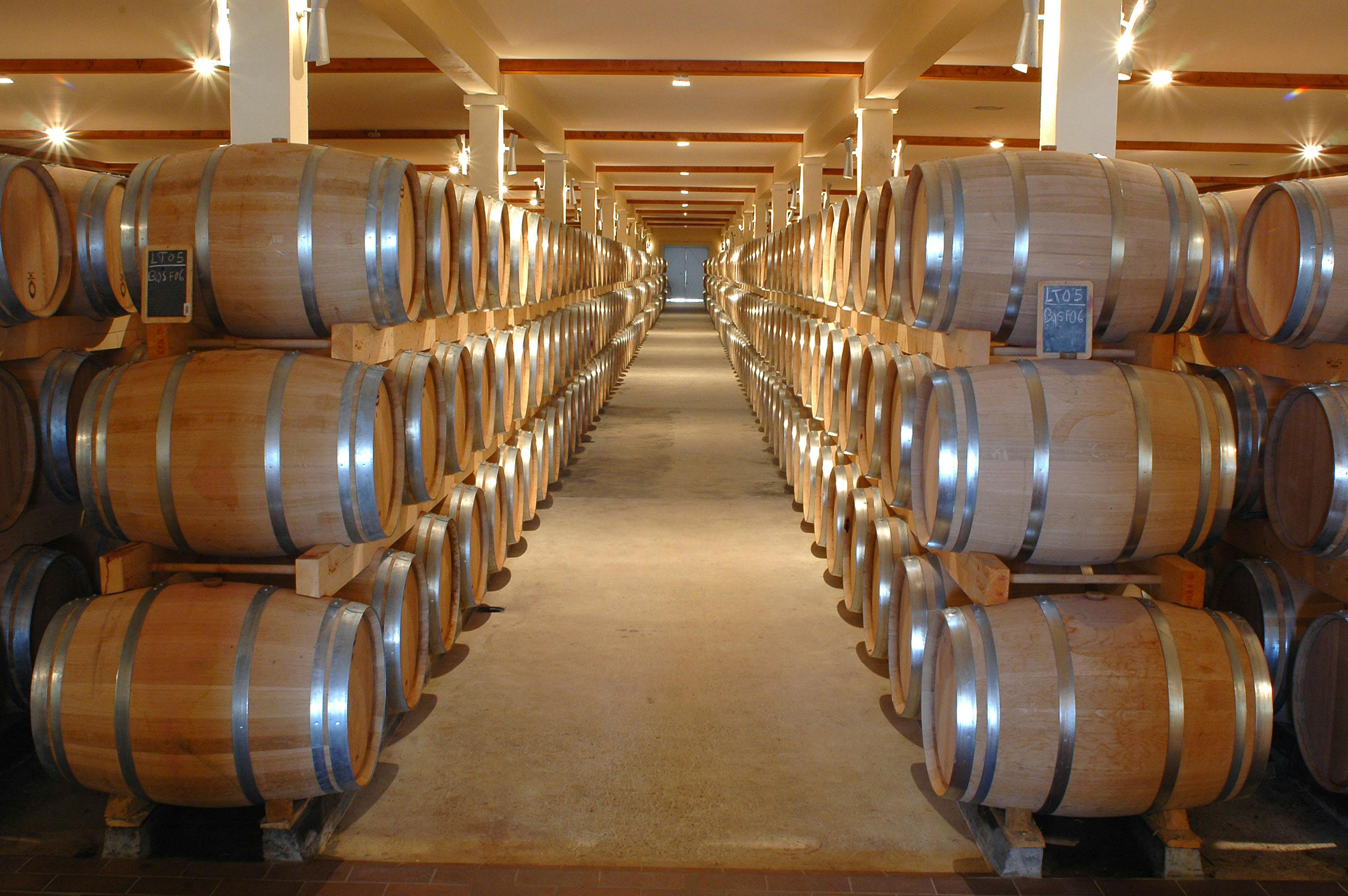
Pocos productos dependen tanto del tiempo como el whisky. Pueden pasar décadas entre la destilación y el consumo. La propiedad puede cambiar varias veces. Las barricas pueden ser transportadas, trasvasadas o comercializadas mientras aún están madurando.
Sin una trazabilidad estructurada, estas transiciones dependen de registros fragmentados y de la confianza entre las partes. Los errores se acumulan silenciosamente y las disputas surgen años después.
Los sistemas de trazabilidad anclados digitalmente permiten registrar de forma inmutable cada transferencia, intervención y cambio de estado. La historia de una barrica se vuelve inseparable del propio líquido. El tiempo, antes una fuente de incertidumbre, se convierte en un activo documentado.
Los mercados premium ya se están moviendo
Los mercados de whisky más exigentes se están transformando primero. En Asia, Europa y Oriente Medio se observa una creciente demanda de origen verificado, ediciones limitadas y transacciones secundarias autenticadas. Los inversores que acceden al whisky como activo alternativo esperan el mismo rigor que encontrarían en el arte, el vino o los metales preciosos.
En este contexto, la trazabilidad no es un coste operativo. Es una capa de acceso al mercado.
Los productores que pueden ofrecer datos verificados atraen a socios de distribución más sólidos, obtienen mayores primas y construyen relaciones a más largo plazo con compradores que valoran la certeza tanto como el sabor.
Una transformación silenciosa
El futuro del whisky seguirá girando en torno al oficio, la paciencia y el lugar de origen. La trazabilidad no reemplaza esos valores; los protege.
A medida que la industria evoluciona, las marcas y los ecosistemas que prosperen serán aquellos que hagan visible la confianza sin hacer visible la complejidad. Sistemas que funcionen silenciosamente en un segundo plano, alineando a productores, reguladores y mercados sin romper la tradición.
Para el whisky, la procedencia siempre ha sido la historia. La trazabilidad garantiza que la historia se pueda demostrar.
Para quienes exploran cómo proteger, documentar y elevar las bebidas espirituosas de alto valor en un mercado global y cada vez más regulado, plataformas como Palmyra Pro ofrecen una forma discreta de conectar el patrimonio con las expectativas modernas de trazabilidad.
