10Minuten lesen
19.02.2026
Lidl’s Living Income Commitment: A Structural Step for Cocoa in Europe
Lidl’s Living Income Commitment: A Structural Step for Cocoa in Europe
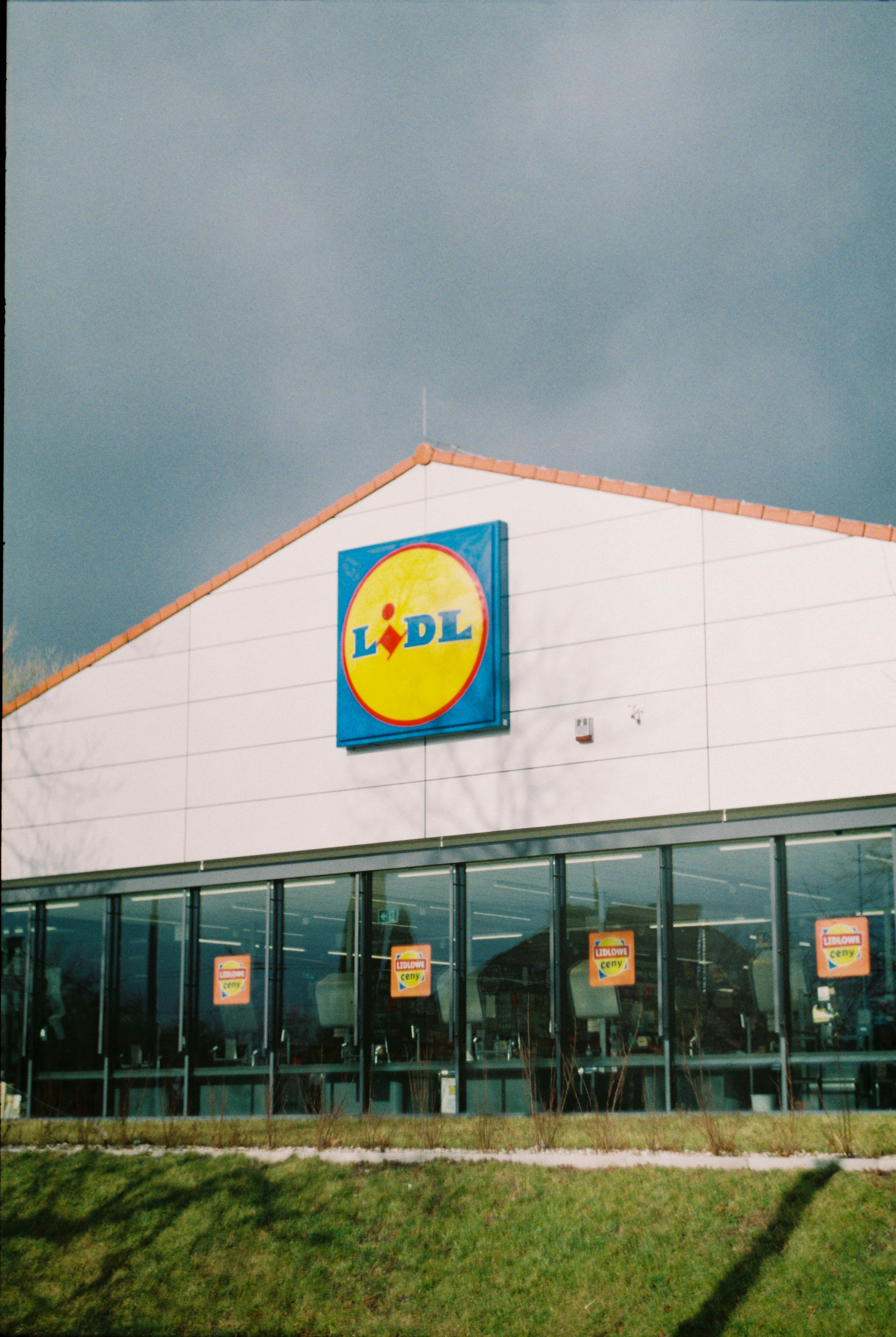
Lidl International has announced that it will ensure a living income price for the cocoa used in its private label chocolate bars — not only in the Netherlands, but also in Belgium, Germany, Luxembourg and Austria. The commitment is set to run for at least five years.
This is more than a sustainability headline. It is a procurement decision implemented at scale.
For years, living income in cocoa has been discussed as an objective. With this move, it becomes embedded in purchasing contracts across multiple European markets. That shift from aspiration to operational model is significant. When a major retailer integrates living income pricing into core product lines, it influences volumes, supply agreements and price signals reaching thousands of farmers upstream.
From Theory to Purchasing Practice
Living income pricing aims to ensure that cocoa farmers earn enough to cover a basic but decent standard of living. In many producing regions, smallholders continue to face structural income gaps despite fluctuations in global prices.
By incorporating a living income price into its sourcing approach, Lidl demonstrates that income considerations can be treated as a core commercial parameter rather than a short-term premium or pilot initiative. The commitment also challenges the perception that responsible purchasing is incompatible with competitiveness. Applied across several countries simultaneously, it signals that scale and ambition can coexist with commercial decision-making.
Progress, With Work Still to Do
The announcement is meaningful, but it is not the endpoint.
The commitment currently applies to chocolate bars only. Cocoa used in biscuits, ice cream and pastries is not yet covered, despite representing substantial volumes. For living income to drive broader transformation, expansion across additional product categories will be essential.
Equally important is alignment across the retail landscape. Structural change requires a level playing field. In the Netherlands, ALDI Nord Group remains the last major supermarket not yet committed to living income for cocoa farmers in its supply chain. Broader adoption would strengthen the impact and reduce competitive imbalances.
The Next Phase: Scaling and Implementation
The debate has evolved. The question is no longer whether living income pricing can be integrated into sourcing models. It can. The focus now shifts to implementation quality and scalability.
How will payments be monitored and verified?
How will commitments translate into measurable improvement at farm level?
How quickly can the approach expand across products and markets?
Momentum is building. Regulatory pressure and retailer commitments are reshaping expectations in the cocoa sector. The coming years will determine whether this initiative marks the beginning of a structural market shift — or remains a positive but limited step.
What is clear is this: living income is moving from discussion into commercial practice.
And that changes the dynamics of the European cocoa market.
